来源:庭前独角兽
发布日期:2026年05月18日
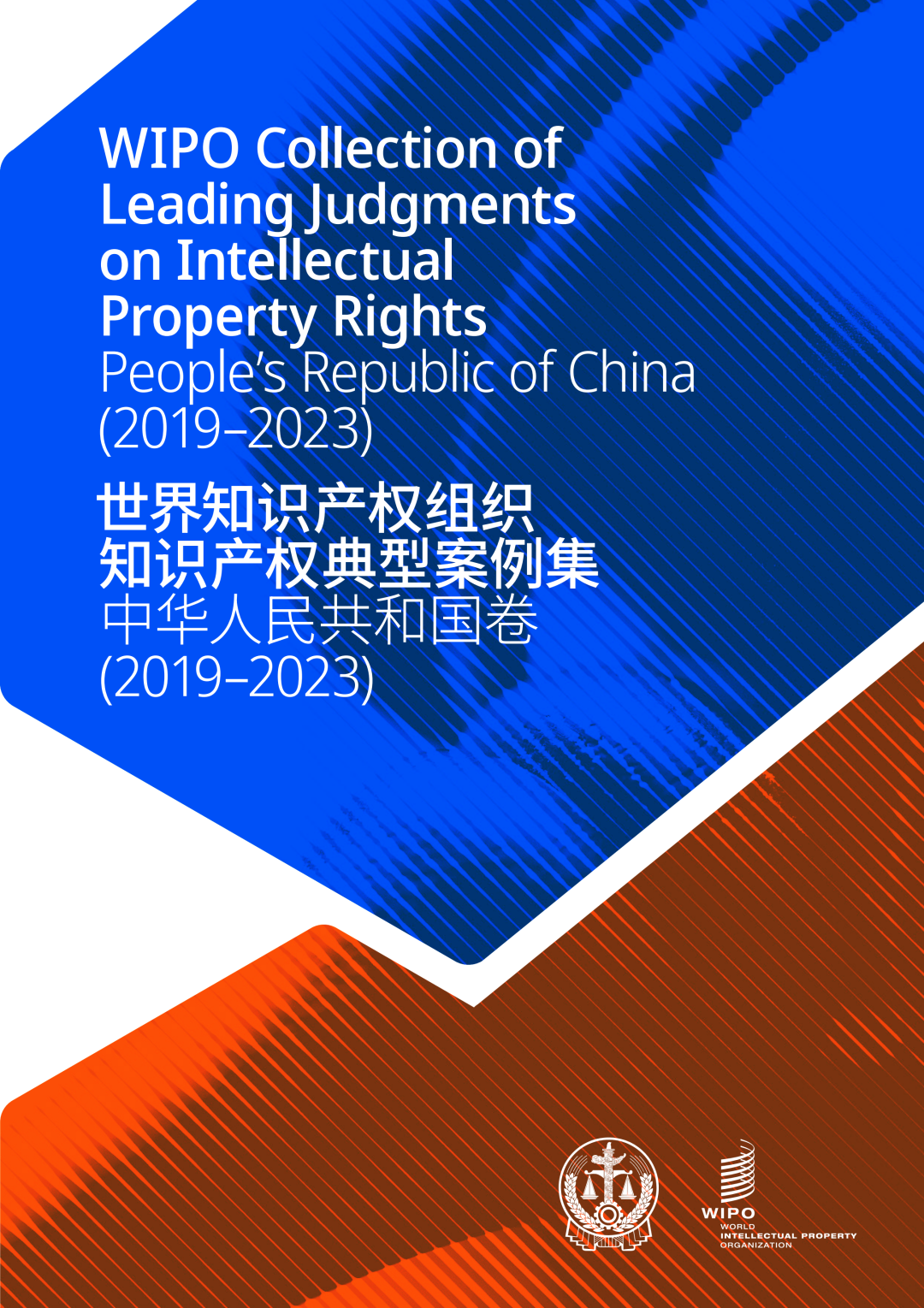
知识产权司法保护规则的发展与完善,彰显了中国加大知识产权保护力度、营造市场化法治化国际化一流营商环境的信心与决心。近期,由最高人民法院与世界知识产权组织(WIPO)联合出版的《世界知识产权组织知识产权典型案例集·中华人民共和国卷(2019-2023)》公开发布。该案例集以中英双语形式,系统收录了2019年至2023年间中国法院审理的66件知识产权典型案例,覆盖专利权、商标权、著作权、垄断和不正当竞争、商业秘密、植物新品种、集成电路布图设计的民事、行政、刑事等多个领域,共计30余万字。
其中,上海市浦东新区人民法院审理的“MOTR”商标侵权案和网络游戏代练不正当竞争案成功入选该典型案例集,分别与惩罚性赔偿的适用、互联网不正当竞争行为及商业道德的认定紧密相关,一起来看!
01
“MOTR”商标侵权案——惩罚性赔偿的
适用条件和赔偿基数的认定
人民法院案例库入库编号
2023-09-2-159-030
本案还曾入选2019年
中国法院十大知识产权案件
当事人
平某身体公司诉某运动器材有限公司
案 号
(2018)沪0115民初53351号
审判组织
宫晓艳、姜广瑞、邵勋
关键词
民事 侵害商标权
惩罚性赔偿 赔偿基数 举证妨碍
相关法律规定
▪《中华人民共和国侵权责任法》第15条第1款第1项、第6项、第2款
▪《中华人民共和国商标法》(2013年修正)第57条第1项、第63条第1款、第2款
▪《最高人民法院关于审理商标民事纠纷案件适用法律若干问题的解释》第14条、第17条
基本案情
原告平某身体公司诉称:原告是全球第一家普拉提公司,系全球最大的普拉提设备和教育提供商。原告在中国多个商品和服务类别上注册了“MOTR”商标。原告的“MOTR”健身器材在中国广泛销售,相关信息亦常见于媒体宣传报道,涉案商标具有极高的知名度。原告发现,被告在参加上海举行的2018第五届中国(上海)国际健身、康体休闲展览会时,销售使用“MOTR”商标的健身器材。被告还通过微信商城、工厂现场售卖等多种方式推销上述健身器材。此外,被告曾在2012年因侵犯原告知识产权与原告签订了和解协议。原告认为,被告的行为构成商标侵权,且存在重复侵权的情形,故应该适用惩罚性赔偿。请求法院判令被告停止侵犯商标权的行为,按照被告侵权获利适用三倍惩罚性赔偿,主张赔偿经济损失和维权合理开支共计人民币300万元。
被告某运动器材有限公司辩称:被告未侵犯涉案商标,无须承担赔偿责任。“MOTR”标识系涉案普拉提滚筒产品的通用名称。涉案商标为“movement on the roller”的英文首字母缩写,中文含义为“在滚轮上的运动”,属于对产品功能、用途的描述,不具有显著性。原告在国内未以盈利为目的而使用涉案商标,涉案商标无法与原告之间建立唯一对应的关系。被告公司经营规模小,接触涉案商标的时间短,不存在大量生产、销售的行为。
法院经审理查明:原告系1993年8月注册于美利坚合众国加利福尼亚州,主要从事运动器材的生产销售、健身课程的推广。原告系“MOTR”商标的注册人,核定使用于第28类“锻炼身体肌肉器械、体操器械、手动操作的健身器材(锻炼身体器械)、用于瑜伽和体育健身活动的弹力带”等商品,有效期自2016年10月14日至2026年10月13日。原告曾派员参加2006年北京国际健身大会,“MOTR”健身器材及健身项目的相关信息亦常见于微信、搜狐网、《长江商报》《新快报》等媒体宣传报道。
被告成立于2007年,系一家外国法人独资的公司,经营范围包括运动器材及配件制造,2016年的销售总额为833.353953万元。
2017年11月11日,原告代理人至被告的工厂,购买普拉提滚筒产品三个(1428元/个),取得领(付)款凭证一张、名片两张、产品手册三本。领(付)款凭证上领款人为某运动器材有限公司。滚筒的手柄处标有“MOTR”标识,拉伸带的两端连接处标有“E”和“MOTR”标识,产品手册的封面标有“MOTR”标识,光盘中的培训视频多处出现“MOTR”标识和原告公司名称。2017年12月29日,原告公证取证被告经营的微信商城,最热产品之一是“Motr移动的普拉提床”,售价1680元,并配有使用视频。被告客服人员在2017年10月6日至12月9日期间,多次在微信朋友圈发图文推销标有“MOTR”标识的普拉提滚筒产品,称首批1000个已经售罄,第二批500个所剩不多,并将一名居住于厦门的客户反馈留言截图发表在朋友圈。12月7日,该客服人员又发图文,就首批Motr出现脱胶情况向用户致歉。2018年3月15日,被告参加2018第五届中国(上海)国际健身、康体休闲展览会。被告的展位内摆放多种健身器材,其中包含一个筒身为灰色、顶端为草绿色的普拉提滚筒产品,产品顶端的手柄等处标有“MOTR”标识。
2018年9月,案外人浙江扬某工贸有限公司、浙江应某工贸有限公司因生产、销售标有“MOTR”标识的普拉提滚筒产品而被诉侵权。在该案诉讼过程中,两公司向原告提交了清单、送货单及出库单等证据材料,证明用于组装普拉提滚筒产品所需的发泡、弹簧发条、塑料件等零部件进货价格合计675.30元/个。
另查明,2011年7月13日,原告在西班牙的代理律师向被告的股东公司发过一份侵权警告函,告知由被告生产制造、被告股东公司在西班牙进口、销售的健身器材侵犯原告享有的“STUDIO REFORMER”欧共体商标,要求被告及其股东公司立即停止侵权行为。经过多次协商,被告及其股东公司与原告在2012年2月签订和解协议,承诺不再从事任何可能侵犯或妨碍原告知识产权的行为。
原告主张以侵权获利计算被告侵犯其商标专用权的赔偿数额,计算公式为“侵权获利=商品销售量×[产品单价-产品成本]”,涉案侵权产品的销售量和单价分别采用被告微信宣传的1500个和微信商城定价1680元、线下售价1428元,产品成本参考案外人生产同类产品所需各种零部件的物料价格675.30元/个。被告对该计算公式和计算数额均不认可。为进一步查明侵权产品的销售获利精确数额,法院责令被告在限期内提交有关销售数据、财务账户和原始凭证,但被告拒绝提交。法院最终参考原告的主张和提供的证据,推算被告对侵权产品的获利至少在101.7万元-139.5万元之间,鉴于被告的主观恶意明显、侵权情节严重,确定三倍的惩罚性赔偿倍数。
上海市浦东新区人民法院于2019年9月6日作出(2018)沪0115民初53351号民事判决:被告某运动器材有限公司于本判决生效之日起立即停止实施侵害原告平某身体公司注册商标专用权的行为;被告某运动器材有限公司于本判决生效之日起十日内赔偿原告平某身体公司经济损失和为制止侵权行为所支付的合理开支共计人民币300万元。宣判后,双方当事人均未上诉,判决已发生法律效力。
↑上下滑动查看更多↑
裁判要旨
-
曾因涉嫌侵害他人在国外已注册的商标而被警告,与对方签署和解协议承诺不再从事侵权活动后,再次通过线上、线下多种渠道销售侵害他人在中国注册商标的产品,且产品存在质量问题,此种行为符合惩罚性赔偿关于“恶意”和“情节严重”的适用要件。
-
被告拒绝履行证据披露义务已构成举证妨碍,法院根据被告微信宣传的内容,足以证明侵权商品的销售量,被告不能举证否定其宣传内容真实性的,应当支持原告主张;对于侵权商品的单位利润,可以结合同类产品及被告的自认酌情确定。
裁判理由
法院生效裁判认为,本案的争议焦点主要是:一、被控侵权行为是否构成对原告注册商标专用权的侵害;二、相关民事责任和赔偿数额的确定。
关于第一个争议焦点。被告使用的“MOTR”商标与原告的涉案商标标识完全相同,且商品类别与原告涉案商标核定使用的商品相同。被告对“MOTR”标识的使用行为属于在同一种商品上使用与注册商标相同的标识的行为,侵犯了原告的注册商标专用权。被告辩称“MOTR”标识为涉案产品的通用名称,却未提供任何证据予以证实。涉案“MOTR”商标为臆造词,其本身作为商标具有较强的显著性,且经过原告及其合作商家的持续使用和广泛宣传,已经能与原告之间建立唯一对应的关系,故对被告上述抗辩理由,法院不予采纳。
关于第二个争议焦点。被告既已侵犯了原告的注册商标专用权,理应承担相应的民事责任。故原告要求被告停止实施侵权行为的诉讼请求,法院予以支持。原告主张的公证费、差旅费、文件打印费系为制止侵权行为所支付的合理开支,且均有相关票据和公证书予以证实,法院予以全额支持。
关于经济损失,原告主张以“侵权人因侵权所获得的利益”来计算赔偿数额,具体公式为“侵权获利=产品销售量×(产品单价-产品成本)”。被告对此不予认可,但并未就赔偿数额的计算提出自己的依据及方法。法院责令被告在限期内提交相关销售数据、财务账册和原始凭证,但被告拒绝提交,其行为已构成举证妨碍,根据《最高人民法院关于审理商标民事纠纷案件适用法律若干问题的解释》第十四条的规定,认可原告所主张的计算公式,并根据已查明之事实逐一确定上述公式中各项参数的具体数值,在此基础上最终确定侵权获利数额。
原告主张适用惩罚性赔偿,按照非法获益金额的三倍确定被告应承担的赔偿责任。法院认为,根据《中华人民共和国商标法》第六十三条第一款“对恶意侵犯商标专用权,情节严重的,可以在按照上述方法确定数额的一倍以上三倍以下确定赔偿数额”的规定,原告的该请求具有事实和法律依据,应予支持。具体理由如下:第一,被告使用的侵权标识与原告的权利商标标识完全相同,且二者使用于相同产品上,产品的款式、颜色、商标的标识位置等几乎完全相同,此种全面摹仿原告商标及产品的行为足见被告侵犯原告商标权、攀附原告商誉的意图十分明显。第二,被告早在2011年已因出口西班牙的产品涉嫌侵权而被原告发函警告,在原告多次沟通之后,被告最终签署和解协议,承诺今后不会从事任何可能侵犯或妨碍原告所拥有的知识产权的活动,但时隔几年之后,被告再次被发现生产销售侵犯原告注册商标专用权的产品。被告此种不信守承诺、无视他人知识产权的行为,是对诚实信用原则的违背,侵权恶意极其严重。第三,被告在2016年的销售总额已达800余万元,本案中被告通过微信商城、微信朋友圈、工厂、展览会等线上、线下多种渠道进行侵权产品的推广和销售,产品被售往厦门等省市,可见被告的生产经营规模较大、产品销售渠道多、涉及地域范围广,侵权行为影响较大。第四,被告的侵权行为不仅造成市场混淆,而且侵权产品还存在脱胶的质量问题,会使得消费者误购并误认为原告的产品存在质量问题,会给原告的商业信誉带来负面评价,侵权后果较为严重。
综上,法院认为,被告的主观恶意明显、侵权情节严重,应加大对被告的惩罚力度,故在本案中确定三倍的惩罚性赔偿倍数。上述确定的侵权获利金额的三倍已超过300万元,鉴于原告在本案中主张包含合理支出在内总计300万元的损害赔偿金额,因此对其主张予以全额支持。
↑上下滑动查看更多↑
01
“MOTR” trademark infringement—Conditions for applying punitive damages and determination of the basis for damages calculation
Parties
P. Body Company v. A certain Sports Equipment Company
Case number
(2018)沪0115民初53351号
Panel
Gong Xiaoyan | Jiang Guangrui |
Shao Xun
Keywords
civil; trademark infringement;
punitive damages; damages basis; obstruction of evidence
Relevant legal provisions
– Tort Liability Law: Article 15(1)(i), (vi), and Article 15(2)
– Trademark Law (Amended in 2013), Article 57(1), Article 63(1)–(2)
– SPC Interpretation Concerning the Application of Law in the Trial of Civil Dispute Cases Involving Trademarks, Articles 14 and 17
Facts
The plaintiff alleged it is the world’s first Pilates Company and the largest global provider of Pilates equipment and education, and that it owns registrations for the “MOTR” mark in multiple Nice Classification classes in China. Its MOTR fitness equipment is widely sold in China and frequently reported in the media, giving the mark high recognition. The plaintiff discovered that the defendant sold fitness equipment bearing the “MOTR” mark at the 2018 IWF Shanghai International Fitness Expo, and also promoted the products via a WeChat store and on-site factory sales. The defendant had previously signed a 2012 settlement agreement with the plaintiff concerning IP infringement. The plaintiff claimed trademark infringement, argued the defendant’s conduct constituted repeat infringement warranting punitive damages, and sought an injunction and RMB 3 million in damages (economic losses plus reasonable expenses), calculated at three times the defendant’s profits from infringement.
The defendant argued that it had not infringed the plaintiff’s trademark and was not liable. It claimed “MOTR” is a generic name for the Pilates roller, that the mark is an acronym for “movement on the roller” describing function and use and thus lacks distinctiveness, that the plaintiff had not used the mark in China for profit, that the mark could not be uniquely associated with the plaintiff, and that the defendant’s operations were small with no large-scale production or sales.
The Court found that the plaintiff, incorporated in California in August 1993, manufactures sports equipment and promotes fitness courses. It owns the “MOTR” registration in Class 28 for “body-building apparatus; gymnastic equipment; manually operated exercise equipment; elastic bands for yoga and fitness,” valid from October 14, 2016 to October 13, 2026. The plaintiff attended the 2006 Beijing International Fitness Conference; information about MOTR equipment and programs frequently appeared on WeChat, Sohu, the Changjiang Times, and the New Express.
The defendant, established in 2007 as a wholly foreign-owned company, manufactures sports equipment and accessories, with total 2016 sales of RMB 8,333,539.53.
On November 11, 2017, the plaintiff’s agent purchased three Pilates rollers at the defendant’s factory (RMB 1,428 each), obtaining a receipt, business cards, and product manuals. The rollers’ handles, the stretch bands’ connectors, the manual cover, and training videos bore the “MOTR” mark; the videos also displayed the plaintiff’s name. On December 29, 2017, a notarized capture WIPO Collection of Leading Judgments on Intellectual Property Rights: People’s Republic of China (2019–2023)21 of the defendant’s WeChat store showed a popular product “Motr Mobile Pilates Bed,” priced at RMB 1,680 with a usage video. From October 6 to December 9, 2017, the defendant’s customer service account repeatedly promoted MOTR-branded Pilates rollers on WeChat Moments, claiming that the first batch of 1,000 units had sold out and the second batch of 500 was nearly sold out, and sharing a customer feedback screenshot from Xiamen. On December 7, the account posted an apology for adhesive failure in the first batch. On March 15, 2018, at the IWF Shanghai expo, the defendant displayed a gray-barrel, grass-green-top Pilates roller with “MOTR” mark on the handle and other parts.
In September 2018, third parties Zhejiang Yang Industrial & Trade Company and Zhejiang Ying Industrial & Trade Company were sued for producing and selling Pilates rollers bearing the “MOTR” mark. In that case, they submitted lists, delivery notes, and outbound slips showing that the cost of components used to assemble the rollers (foam, mainsprings, plastic parts) totaled RMB 675.30 per unit.
On July 13, 2011, the plaintiff’s Spanish counsel sent an infringement warning letter to the defendant’s shareholder Company concerning fitness equipment manufactured by the defendant and imported/sold in Spain, infringing the plaintiff’s EU trademark “STUDIO REFORMER.” After negotiations, in February 2012, the defendant and its shareholder Company signed a settlement agreement with the plaintiff, promising to cease any acts that might infringe or hinder the plaintiff’s IP rights.
The plaintiff sought damages based on the defendant’s profits: Profits = Sales volume × (Unit price − Unit cost). It cited the defendant’s WeChat claim of 1,500 units sold, a unit price of RMB 1,680 (WeChat) or RMB 1,428 (offline), and unit cost of RMB 675.30 based on the third parties’ component costs. The defendant disputed the formula and amounts. The court ordered the defendant to produce sales data, financial accounts, and original vouchers; the defendant refused. Relying on the plaintiff’s evidence, the court estimated profits of at least RMB 1,017,000–1,395,000. Given the defendant’s clear bad faith and the seriousness of the infringement, the court applied treble punitive damages.
On September 6, 2019, the Court rendered the following judgment: the defendant shall immediately cease infringing the plaintiff’s registered trademark; within ten days it shall pay the plaintiff RMB 3 million for economic losses and reasonable enforcement expenses. No appeal was filed; the judgment is effective.
↑上下滑动查看更多↑
Holding
1.A party that has previously been warned for allegedly infringing a foreign-registered trademark and has signed a settlement undertaking to cease infringement, but subsequently sells in China products infringing the same party’s registered trademark through multiple online and offline channels, while also exhibiting product quality issues, satisfies the “willfulness” and “serious circumstances” requirements for the award of punitive damages.
- A party’s refusal to comply with evidence-production obligations constitutes obstruction of evidence. The court may rely on the defendant’s WeChat promotional content to establish sales volume; absent rebuttal evidence, the plaintiff’s claims should be upheld. Unit profit may be reasonably determined with reference to similar products and the defendant’s admissions.
↑上下滑动查看更多↑
Reasoning
The Court identified two issues: (i) whether the disputed conduct infringed the plaintiff’s exclusive right to the registered trademark; and (ii) the civil liability and damages amount.
On issue (i): The defendant used the identical “MOTR” mark on identical goods to those covered by the plaintiff’s registration, thereby infringing the plaintiff’s exclusive right. The claim that “MOTR” is generic was unsupported by evidence. “MOTR” is a coined term with strong inherent distinctiveness; through continuous use and extensive promotion by the plaintiff and its partners, it had acquired a unique association with the plaintiff. The defense was rejected.
On issue (ii): Having infringed, the defendant must bear civil liability. The court granted injunctive relief. The plaintiff’s notarization, travel, and printing expenses—reasonably incurred to stop the infringement—were fully supported by receipts and notarizations and were awarded in full.
As to economic losses : The court, applying the preponderance standard and Article 14 of the SPC 2002 Trademark Interpretation, accepted the plaintiff’s profit-based formula and, given the defendant’s refusal to produce sales data, determined specific parameter values from the proven facts to calculate infringer’s profits.
As to punitive damages : Under Article 63(1) of the Trademark Law (“for willful infringement of the exclusive right to a trademark, where the circumstances are serious, damages may be determined at one to three times the amount calculated by the above methods”), the plaintiff’s request was supported. Reasons: (1) the defendant’s mark was identical and applied to identical products, with nearly identical style, color, and mark placement—wholesale imitation evidencing intent to infringe and free-ride on goodwill; (2) despite a 2011 warning and a 2012 settlement promising not to infringe, the defendant repeated infringement, violating good faith and showing severe bad faith; (3) the defendant’s 2016 sales exceeded RMB 8 million, and its infringing products were promoted and sold via multiple channels (WeChat store, Moments, factory, expo) to multiple regions, evidencing scale and impact; (4) the infringing products had quality issues (adhesive failure), risking consumer confusion and harm to the plaintiff’s reputation.
Accordingly, the defendant’s willfulness and the seriousness of the circumstances warranted treble punitive damages. The trebled amount exceeded RMB 3 million; since the plaintiff sought RMB 3 million including reasonable expenses, the court awarded the full amount.
02
02
网络游戏代练不正当竞争案——互联网
不正当竞争行为及商业道德的司法认定
人民法院案例库入库编号
2024-09-2-488-001
本案还曾入选2023年
人民法院反垄断和反不正当竞争典型案例
当事人
某科技(成都)有限公司等
诉佛山市南海区某网络科技有限责任公司
案 号
(2022)沪0115民初13290号
审判组织
吴智永、倪红霞、袁田
关键词
民事 不正当竞争
一般条款 互联网 商业代练
相关法律规定
▪ 《中华人民共和国反不正当竞争法》第2条
▪ 《最高人民法院关于适用〈中华人民共和国反不正当竞争法〉若干问题的解释》第1条、第2条、第3条
基本案情
原告某科技(成都)有限公司(以下简称某科技公司)、深圳市某计算机系统有限公司(以下简称深圳某公司)共同诉称,被告运营的“代练帮”客户端以“发单返现金”、设立“王者荣耀”专区的形式引诱、鼓励包括未成年人在内的用户通过其平台进行商业化、规模化的《王者荣耀》游戏代练交易,并从中获得收益,已构成不正当竞争。故诉请判令被告停止不正当竞争行为、赔偿原告经济损失及合理开支共计450万元。
被告佛山市南海区某网络科技有限责任公司(以下简称某网络公司)辩称,原告系提供游戏服务,被告系提供游戏代练,并非同一领域。游戏代练增强了游戏用户体验,没有给原告造成损失,反而给原告增加了流量和用户粘性,不构成不正当竞争。
法院经审理查明:原告某科技公司是涉案游戏《王者荣耀》的著作权人,并授权原告深圳某公司独家运营该游戏。《王者荣耀》向用户免费提供游戏下载,并通过营造公平的竞技环境吸引更多用户,提供“皮肤”等增值服务以从中获利。《王者荣耀》游戏通过用户协议要求用户实名制登记,不得将游戏账号提供给他人做代练代打等商业性使用。为落实未成年人保护要求,《王者荣耀》账号严格采用实名制并配有完备的“防沉迷”措施,未成年人仅能在国家新闻出版署规定的时间段内登录游戏。被告某网络公司运营的“代练帮”APP以“发单返现金”、设立“王者荣耀”专区的形式,引诱、鼓励包括未成年人在内的用户通过其平台进行商业化、规模化的《王者荣耀》游戏代练交易并从中获得收益。接单者可以非真实身份登录涉案游戏,未成年人亦可接单获得他人的游戏账号绕开“防沉迷”机制进入游戏并赚取费用。“代练帮”客户端通过“安全保证金”“效率保证金”等方式保障交易实现,从用户充值手续费、提现手续费、订单结算手续费中抽取一定比例作为平台收益,并明确要求接单者均关闭手机定位以避免封号等处罚措施。被诉客户端自2020年初开始运营,至诉讼时已上架华为、小米、豌豆荚、360手机助手、PP助手等多个应用商城,总下载量超过1.5万次。
上海市浦东新区人民法院判决,判令被告某网络公司停止涉案不正当竞争行为;综合考虑涉案游戏知名度、被诉侵权行为的主观过错程度等因素,酌定被告某网络公司赔偿原告某科技公司、深圳某公司经济损失80万元及为制止侵权行为所支付的合理开支185,000元,以上共计985,000元。判决后,双方均未上诉。本案已生效。
↑上下滑动查看更多↑
裁判要旨
适用《中华人民共和国反不正当竞争法》第二条认定不正当竞争行为,需要满足以下条件:一是法律对该竞争行为未作出特别规定;二是该竞争行为扰乱市场竞争秩序,损害其他经营者或者消费者合法权益;三是该竞争行为因违反诚实信用原则和公认的商业道德而具有不正当性。
裁判理由
法院经审理认为,被诉“代练帮”客户端组织商业化的代练服务的行为符合《中华人民共和国反不正当竞争法》第二条的适用要件:一是法律对该竞争行为未作出特别规定;二是该竞争行为扰乱市场竞争秩序,损害其他经营者或者消费者合法权益;三是该竞争行为因违反诚实信用原则和商业道德而具有不正当性。
首先,针对被告某网络公司的行为,《中华人民共和国反不正当竞争法》没有作出相对应的特别规定。《中华人民共和国反不正当竞争法》第十二条第二款第四项中的“利用技术手段”应指以运用技术的方式实现不正当竞争,该技术手段的运用不正当地影响用户选择或者实质性地破坏、妨碍其他经营者正常提供网络产品或服务的技术运行逻辑,技术手段和行为损害后果之间具有直接因果关系,而非所有借助互联网实施的行为均可视作“利用技术手段”。涉案行为虽系被告通过运营“代练帮”客户端在互联网中实施,但该客户端仅提供代练交易平台,核心的代练行为系由用户通过人工操作实施,并非利用技术手段实现,故不符合该条款的适用条件。涉案行为亦并非《中华人民共和国反不正当竞争法》第二章第六条至第十二条列举的其他不正当竞争行为或《中华人民共和国专利法》《中华人民共和国著作权法》等知识产权专门法规制的行为。
其次,被诉行为扰乱市场竞争秩序,损害原告作为经营者、游戏用户作为消费者的合法权益。两原告运营的《王者荣耀》游戏内设“ELO等级分系统”的公平匹配机制,根据游戏账号的游戏行为数据分析评价的竞技水平等级,匹配水平相当的对战对手及队友,保障用户获得良好的游戏体验,吸引并积累用户,最终获得游戏收益。这一竞争优势应受法律保护。此外,涉案游戏严格落实国家关于未成年人游戏防沉迷的要求,限制未成年人游戏时长、时段,建立未成年人游戏防沉迷机制,基于此获得的良好商誉亦应受法律保护。被诉“代练帮”客户端组织商业化的代练服务,造成了如下三方面的损害后果:一是扰乱市场竞争秩序。被诉行为致使涉案游戏的实名制及未成年人防沉迷机制落空,妨碍网络游戏运营秩序,不利于网络生态治理和未成年人权益保护,损害社会公共利益。二是损害两原告作为经营者的合法权益。涉案代练客户端绕开了被诉游戏的实名制和未成年人防沉迷机制,但原告却因无法知晓真实使用者信息从而无法通过自身的治理机制规制涉案行为,导致相关公众质疑原告的合规运营和社会责任承担。三是损害消费者权益。被诉行为导致其他实名游戏用户无法匹配到水平相当的对手及队友,无法获得公平竞技的游戏体验,还增加未成年人玩家沉迷游戏的风险,严重影响未成年人身心健康。
最后,被诉行为因违反诚实信用原则和商业道德而具有不正当性。就网络游戏领域而言,其商业伦理主要涉及如下三个维度:通过禁止出借游戏账号及禁止商业代练保障竞技公平;通过游戏管理机制承担社会责任;通过设置数据使用行为边界保障数据清洁性和安全性。“代练帮”客户端组织商业化、规模化游戏代练行为将原告具有竞争性权益的网络游戏作为获利工具,违反诚实信用原则和公认的商业道德。被诉客户端明确要求接单者关闭定位以避免封号等处罚措施,刻意规避原告的游戏监管机制,反映了被告的主观恶意。原告无从通过平台自行予以规制,从而不合理增加原告运营涉案网络游戏的运营成本。据此,法院认定被诉行为构成不正当竞争。
↑ 上下滑动查看更多↑
02
Unfair competition involving commercial game account leveling— Judicial determination of internet unfair competition and business ethics
Parties
Technology (Chengdu) Company A et al . v. Network Technology Company C, Nanhai District, Foshan City
Case number
(2022) 沪 0115 民初 13290 号
Panel
Wu Zhiyong | Ni Hongxia | Yuan Tian
Keywords
civil; unfair competition; general clause; internet; commercial account leveling
Relevant legal provisions
– Anti-Unfair Competition Law, Article 2
– SPC Interpretation on Several Issues Concerning the Application of the Anti-Unfair Competition Law, Articles 1–3
Facts
The plaintiffs, Company A and a certain Shenzhen Computer Systems Company (“Company B”), alleged that the defendant’s “Account Leveling Assistant” app offered cash-back for order placement and maintained a dedicated Honor of Kings section to induce and encourage users— including minors—to conduct commercial, large-scale account leveling on its platform, from which the defendant profited. They claimed the conduct constituted unfair competition and sought an injunction and RMB 4.5 million in damages and reasonable expenses.
The defendant, Company C, argued that the parties operate in different lines of business (game operation vs. leveling services); that leveling enhances user experience, causes no loss to the plaintiffs, and increases traffic and stickiness; and therefore does not constitute unfair competition.
The court found: Company A owns the copyright in Honor of Kings and exclusively licensed Company B to operate the game. The game is free to download, attracts users by maintaining a fair competitive environment, and monetizes via value-added items such as skins. Its user agreement requires real-name registration and prohibits commercial use of accounts, including leveling. To protect minors, the game enforces strict real-name registration and anti-addiction measures limiting minors to playing only within the time windows set by the National Press and Publication Administration.
The defendant’s app incentivized users—including minors—to engage in commercial, largescale leveling and profited by taking cuts from recharge, withdrawal, and order-settlement fees. “Security” and “efficiency” deposits were used to secure performance. Levelers could log in using non-authentic identities; minors could take orders using others’ accounts to bypass anti-addiction controls and earn fees. The app instructed levelers to disable location services to avoid account bans. Launched in early 2020, it was distributed via Huawei, Xiaomi, Wandoujia, 360 Mobile Assistant, and PP Assistant, accumulating over 15,000 downloads by the time of suit.
On judgment, the court ordered the defendant to cease the unfair competition and, considering the game’s popularity and the defendant’s fault, awarded RMB 800,000 in economic losses and RMB 185,000 in reasonable expenses, totaling RMB 985,000. No appeal was filed; the judgment is final.
↑上下滑动查看更多↑
Holding
To establish unfair competition under Article 2 of the Anti-Unfair Competition Law, three elements must be met: (1) no specific statutory provision directly governs the conduct; (2) the conduct disrupts market competition order and harms the lawful rights and interests of other operators or consumers; and (3) the conduct is improper, because it violates the principle of good faith and recognized business ethics. The defendant’s organization of commercial account leveling via the app meets these criteria and constitutes unfair competition.
↑上下滑动查看更多↑
Reasoning
The commercial account-leveling services organized via the “Account Leveling Assistant” app satisfy Article 2 of the Anti-Unfair Competition Law for three independent yet mutually reinforcing reasons: (1) there is no specific statutory provision that directly regulates the impugned conduct; (2) the conduct disrupts the market competition order and infringes the lawful rights and interests of other operators and consumers; and (3) the conduct is improper, because it violates the principle of good faith and recognized business ethics in the online gaming industry.
- Absence of a specific statutory provision; inapplicability of Article 12 “technical means”
Scope of “technical means .” The phrase “using technical means” in Article 12(2)(4) of the Anti-Unfair Competition Law targets situations where technology is deployed as the operative instrumentality of unfair competition—i.e., methods that improperly steer user choice or substantially impair the technical operating logic by which other operators lawfully provide network products or services, with a direct causal nexus between the technological intervention and the harmful effect. The mere fact that conduct occurs on or through the internet does not suffice.
Nature of the impugned conduct . Here, the defendant ran a platform that organized and matched account-leveling transactions. The decisive acts—logging in to others’ accounts, playing games on their behalf, and thereby altering in-game progression—were executed manually by users. The app did not employ automated scripts, bots, client tampering, or other technologies to interfere with the plaintiffs’ product logic. Accordingly, Article 12(2)(4) is not engaged.
No other enumerated category applies . The conduct does not fall within Articles 6–12 of Chapter II (e.g., confusion, false advertising, commercial disparagement, trade secret misappropriation, tying/bundling, interference with products/services by technical means), nor within specialized IP statutes such as the Patent Law or Copyright Law. It is therefore appropriately assessed under the general clause of Article 2.
- Disruption of market order; harm to operators and consumers
Protected competitive mechanism . Honor of Kings uses an Elo-based skill-rating and matchmaking system that evaluates user skill through gameplay data to pair players of comparable competence, ensuring fair competition that attracts and retains users, and forms part of the plaintiffs’ competitive advantage. The game also implements strict real-name registration and anti-addiction controls compliant with national policy, which contribute to its goodwill.
Market-order disruption and public-interest impact . By organizing commercial, scaled leveling, the defendant’s platform functionally neutralized the real-name and anti-addiction regimes and distorted the fairness of matchmaking. This impeded the normal operation of the game ecosystem, undermined governance of the online environment and protection of minors, and implicated broader public interests.
Harm to the plaintiffs as operators . The leveling transactions exploited the plaintiffs’ product environment while evading the plaintiffs’ compliance architecture. Because the actual user behind a session could not be reliably identified, the plaintiffs could not effectively enforce their governance rules, which in turn exposed them to reputational doubts regarding compliance and social responsibility, and increased the costs of supervision and remediation.
↑上下滑动查看更多↑
线索来源 丨浦东法院 知识产权审判庭
素材提供丨邓海婷
本栏目为【庭前·庭外】专栏
│ 每周二 、每周五 定期更新
│ 本期特约供稿:上海浦东法院
│ 庭前· 法院斜杠青年
│ 庭外· 独角兽案语

扫描二维码 关注我们